Launching 31 October 202650% off yearly and 25% off monthly, forever - full price after launch day50% off foreverJoin the waitlist
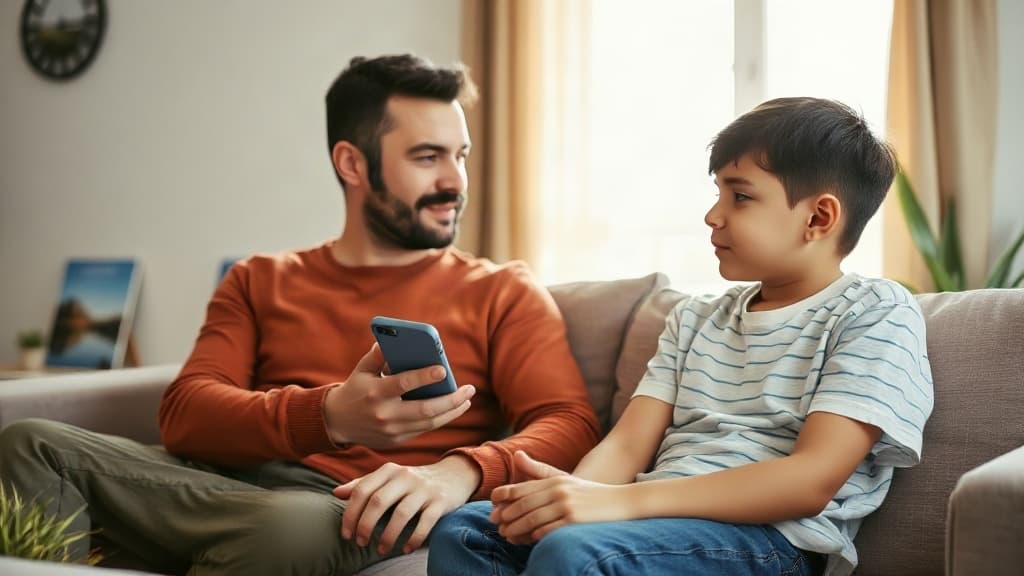
Your child discovers a song you'd blocked. They ask why it's unavailable, or worse, they find it elsewhere. The moment feels like a safety breach, but it's also an opportunity to deepen your approach to digital protection.
Blocked content inevitably gets circumvented. Kids are curious, peers share links, and platforms make workarounds easy to find. The goal isn't perfect prevention - it's informed, honest, and resilient protection. Understanding what to do when kids find content anyway helps you stay calm, preserve trust, and actually strengthen your family's relationship with music.
Why Blocked Content Gets Found
Children bypass restrictions for predictable reasons. A friend mentions a song and shares the YouTube link directly. They search for an artist and find an uncensored version on a different platform. They use a school device where parental controls don't apply. Some older kids deliberately test boundaries, and some simply stumble on content through algorithm recommendations or playlist suggestions.
The blocking itself isn't the problem - the discovery is. When a child finds something you've filtered, they often feel either caught in deception or uncertain whether your judgment was right. Either way, the moment demands a response that restores confidence in your protection, not just the filter.
Have an Honest Conversation, Not a Confrontation
The first instinct is often to ask how they found it and whether they were looking for it deliberately. That question can feel like an accusation. Instead, start by acknowledging the situation without blame. "I noticed you found the version of that song we'd filtered. I want to talk about why we made that choice and what you heard."
This approach does three things. First, it shows your child that transparency matters to you more than control. Second, it gives them space to explain context - maybe they weren't seeking it out. Third, it opens a conversation rather than closing one with punishment.
Listen to what they say about the lyrics or the content. Ask what they thought of it and whether anything surprised them. Their answer tells you whether your filtering matched their maturity level, whether peer pressure drove the discovery, or whether simple curiosity won out.
Reassess Your Settings, Not Your Trust
If your child found content you'd blocked and it genuinely did upset them, that's useful information. It means your filter worked as intended - it flagged something that wasn't age-appropriate. The fact that they found it anyway doesn't mean the filter failed; it means the real world is messier than any software can control.
If your child found content, listened to it, and was completely unbothered, that's also useful. It might mean your filtering was overly cautious for their actual maturity level, or it might mean that one song isn't worth the worry. Use this moment to review your per-child profile settings. KidSafeTube lets you customize filtering across ten content categories, so you can adjust which categories matter most for each child rather than applying a single household-wide rule. Maybe profanity was your main concern, but your child is old enough for mild language while still needing protection from other themes.
Explain the 'Why', Not Just the 'No'
Children respect filters more when they understand them. Instead of "I blocked this because it has bad words," try "This song has language we're not ready for, but also some themes about relationships that I want to talk about when you're a bit older. That's why it's flagged." The transparency works because it shows judgment, not arbitrary restriction.
When your child hears the blocked content anyway, they can compare what you said to what they heard. If you were right, they learn that your judgment is trustworthy. If you were too strict, they see that too - and next time, they're more likely to come to you than to hide their discovery.
Rebuild the Safety Conversation
After you've talked about the specific song or playlist, circle back to the bigger picture. Explain that blocking isn't about keeping secrets from them - it's about giving you time to be part of their music journey before they encounter everything. "I'm not trying to hide anything. I want to know what you're listening to and talk about it with you."
This reframes filtering from control to partnership. Your child is more likely to come to you with questions if they believe you're on the same team.
Consider Whether Blocking Is Still the Right Tool
For older kids, per-child profile customization might matter more than blanket blocks. Some parents prefer to flag content with a warning and let their child make a choice, rather than prevent access entirely. That approach teaches judgment instead of relying on restriction.
Other families find that blocking works well for younger children but need a different strategy for teens. You might keep some filters on while removing others, or switch to review-and-discuss mode where your child sees what's flagged and you talk about it before they decide whether to listen.
Keep the Conversation Ongoing
One conversation after a discovery isn't enough. Music tastes change, peer groups evolve, and what feels dangerous at age nine might feel fine at age twelve. Check in regularly about what your child is listening to, not just what you're blocking. Ask about new artists they like and why. Notice when their taste shifts toward heavier themes and use that as a starting point for discussion, not a reason to tighten restrictions.
This ongoing conversation is where real safety lives. It's not in the filter - it's in the relationship between you and your child and your shared understanding of why some content matters to protect against.
What You're Really Teaching
When your kid finds blocked content anyway, you have a choice about what lesson they take from it. You can make it about obedience and punishment, which teaches them to hide things from you. Or you can make it about trust, judgment, and your genuine interest in their safety and growing independence.
The second approach means admitting that no filter is perfect, that you're learning alongside them, and that your job is to guide their choices, not to control their world. That's harder work than blocking, but it's the work that actually makes children safer - not just from bad music, but from making poor decisions when you're not there to protect them.
FAQs
Q: Should I punish my child for finding blocked content?
Punishment often backfires - it teaches children to hide discoveries from you rather than come to you with questions. Instead, use it as an opportunity to understand how they found it, reassess whether your filter settings match their maturity, and explain why the content was blocked. A conversation rebuilds trust far better than consequences do.
Q: How do I know if my filtering is too strict?
If your child finds blocked content and it doesn't upset them, your filter may be overly cautious. Also notice whether your child is asking genuine questions about why things are blocked, or whether they're becoming frustrated and searching elsewhere. Use per-child profile customization to adjust which categories matter most, rather than applying the same restrictions to all children.
Q: What should I do if my child keeps seeking out blocked content deliberately?
Deliberate circumvention suggests either peer pressure, natural curiosity about boundaries, or a filter that no longer fits their maturity level. Talk to them about why the content appeals to them and what they're looking for. Consider whether your blocking strategy needs to shift - from preventing access to flagging content for discussion, or from household-wide rules to customized per-child settings.
Q: Should I block content on all platforms or just YouTube?
YouTube is a major source, but kids also find music on Spotify, TikTok, Apple Music, and shared links from friends. Focus your active filtering on the platform your child uses most. For other platforms, your best tool is the ongoing conversation about music choices and the trust you build by being honest about why certain content matters to protect against.
Q: How do I explain content blocks to younger kids?
Use simple, honest language tied to what they understand. For profanity: 'This song has words we use when we're angry, and they're not words for you yet.' For mature themes: 'This talks about things for older kids - I'll explain it when you're ready.' Avoid shame or mystery, which make blocked content seem more forbidden and exciting.
Q: At what age should I stop blocking and start discussing instead?
This depends on your child's maturity and your family values. Many families find that around age 12 to 14, per-child profile customization becomes more useful than blanket blocks. You might flag content instead of preventing it, and have regular conversations about music choices. Younger children usually respond well to blocking; older teens respond better to trust and discussion.
Q: Can my child just use a different device to bypass my filters?
Yes. No filter is foolproof, and children have access to school devices, friends' phones, and other uncontrolled environments. That's why the filter is only one part of protection. The real safety comes from the relationship you build - your child knowing they can ask you questions about music and trusting that your judgment is fair rather than arbitrary.
Frequently asked questions
Should I punish my child for finding blocked content?
Punishment often backfires - it teaches children to hide discoveries from you rather than come to you with questions. Instead, use it as an opportunity to understand how they found it, reassess whether your filter settings match their maturity, and explain why the content was blocked. A conversation rebuilds trust far better than consequences do.
How do I know if my filtering is too strict?
If your child finds blocked content and it doesn't upset them, your filter may be overly cautious. Also notice whether your child is asking genuine questions about why things are blocked, or whether they're becoming frustrated and searching elsewhere. Use per-child profile customization to adjust which categories matter most, rather than applying the same restrictions to all children.
What should I do if my child keeps seeking out blocked content deliberately?
Deliberate circumvention suggests either peer pressure, natural curiosity about boundaries, or a filter that no longer fits their maturity level. Talk to them about why the content appeals to them and what they're looking for. Consider whether your blocking strategy needs to shift - from preventing access to flagging content for discussion, or from household-wide rules to customized per-child settings.
Should I block content on all platforms or just YouTube?
YouTube is a major source, but kids also find music on Spotify, TikTok, Apple Music, and shared links from friends. Focus your active filtering on the platform your child uses most. For other platforms, your best tool is the ongoing conversation about music choices and the trust you build by being honest about why certain content matters to protect against.
How do I explain content blocks to younger kids?
Use simple, honest language tied to what they understand. For profanity: 'This song has words we use when we're angry, and they're not words for you yet.' For mature themes: 'This talks about things for older kids - I'll explain it when you're ready.' Avoid shame or mystery, which make blocked content seem more forbidden and exciting.
At what age should I stop blocking and start discussing instead?
This depends on your child's maturity and your family values. Many families find that around age 12 to 14, per-child profile customization becomes more useful than blanket blocks. You might flag content instead of preventing it, and have regular conversations about music choices. Younger children usually respond well to blocking; older teens respond better to trust and discussion.
Can my child just use a different device to bypass my filters?
Yes. No filter is foolproof, and children have access to school devices, friends' phones, and other uncontrolled environments. That's why the filter is only one part of protection. The real safety comes from the relationship you build - your child knowing they can ask you questions about music and trusting that your judgment is fair rather than arbitrary.